Author & Staff Contact: Kalea Young-Gibson, Senior Policy Analyst
“Here to Stay, Here to Grow: A National Portrait of State Digital Accessibility Officers” is an analysis of the inaugural NASCIO State Digital Accessibility Officer Survey, administered in Summer 2026. State chief digital accessibility officers are the lead architects in pursuing state IT government goals and meeting new federal compliance mandates in a digital-first society. Accessibility officers in this survey represent over thirty states, providing insights on topics including the 2024 DOJ Final Rule, artificial intelligence integration, procurement, barriers to program expansion and the future of the position. State technology leaders, third-party vendors and other relevant stakeholders will gain a deeper understanding of digital accessibility officers as a national community of practice, what digital accessibility looks like “in action” and where the nation currently stands two years post Final Rule. With this understanding, relevant stakeholders can take the necessary steps to develop digital accessibility governance, resources, support and better relationships with state digital accessibility officers while re-evaluating strategies to achieve robust state digital accessibility programs.
Note: State digital accessibility officers are represented by a wide range of titles and positions, including some without the word “digital.” All accessibility officers in NASCIO’s community of practice are confirmed to lead a digital accessibility program and/or DOJ Final Rule Compliance at the state level and will be referred to as “chief accessibility officer(s)” throughout this publication.

The First Sprouts
State governments have entered a new phase of digital accessibility first marked by the Department of Justice Final Rule on Web and Mobile App Accessibility (April 2024). State technology leaders began working to understand timelines, expectations, new criteria and legal risks – but most importantly, the state digital accessibility officers (accessibility officers or AOs) who turn the mandate into a real, attainable goal.
The Final Rule accelerated conversations already happening in digital accessibility surrounding authority, staffing, governance, enterprise readiness and accessibility at scale, shining light on accessibility officers as architects of equitable digital government and service delivery. This publication builds on those conversations, captured in NASCIO’s IT Accessibility Working Group Guide and more, by gathering in-depth perspectives from the architects themselves.
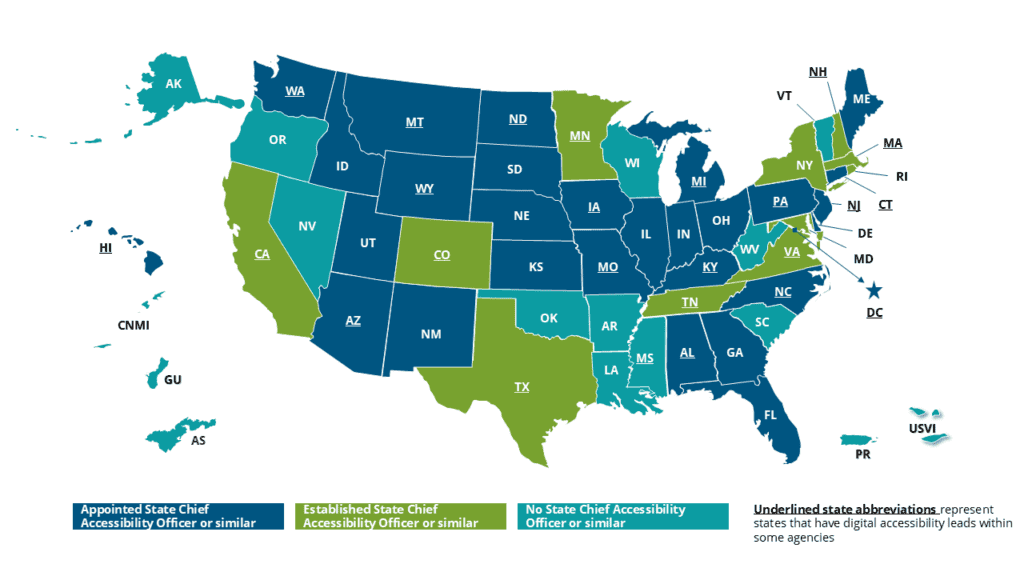
The Inaugural NASCIO State Accessibility Officer Survey was administered during the spring of 2026. Multiple efforts were made over the last two years to confirm if states had an established state chief accessibility officer (or similar position) or appointed state chief accessibility officer (or similar position).
States with an established state chief accessibility officer represent state accessibility officers whose positions are established in state statute, law, administrative rule, regulation or procedure and report directly to the CIO or a member of the CIO organization.
States with an appointed state chief accessibility officer represent state digital accessibility officers who were appointed by the CIO or any state leadership position and report to the CIO, a member of the CIO organization or the appointing authority.
Underlined states represent those who have digital accessibility leads at the agency level in at least some agencies, with or without a state officer. From this, we found that 40 out of 56 NASCIO member states and territories have a state digital accessibility lead.
States with Chief Accessibility Officers or Equivalent
(as of August 2026)
All 40 known state digital accessibility officers were invited to take this survey. We achieved a ninety percent completion rate (36 responses). The survey covered a wide range of topics:
- Role and Governance
- Funding, Staffing and Training
- Audits, Tool Testing and Monitoring
- Procurement and Vendor Management
- The 2024 DOJ Final Rule on Web and Mobile App Accessibility Compliance
- Digital Accessibility and Artificial Intelligence
- A Canopy of Perspectives on Culture, Leadership and Change Management
- Ranking the Roots that Anchor Progress
- New Rings Formed through Collective Vision
- The Accessibility Oak: Here to Stay, Here to Grow
Role and Governance
State accessibility officers responding to the survey have a median tenure of about three years, with five officers surpassing 16 years. This emphasizes the state accessibility officer as a cemented role in state government. Most officers reporting directly to the chief information officer (CIO) organization highlight digital accessibility as a core enterprise architecture principle.
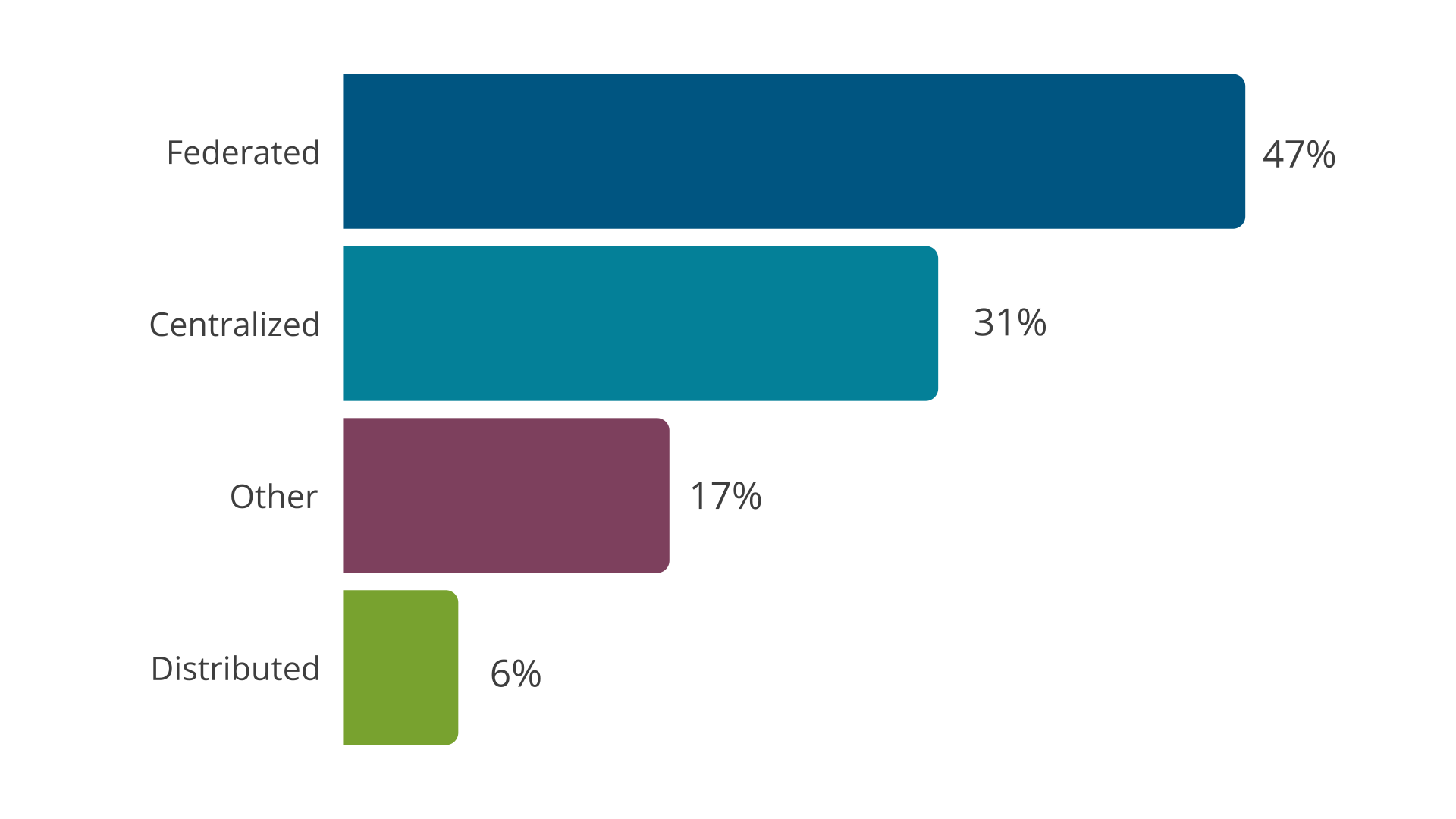
Most responding accessibility officers work within federated IT governance structures, which can create both flexibility and inconsistency as agencies implement state standards independently. (Note: States selecting “Other” indicated using hybrid models combining federalized, centralized and distributed).
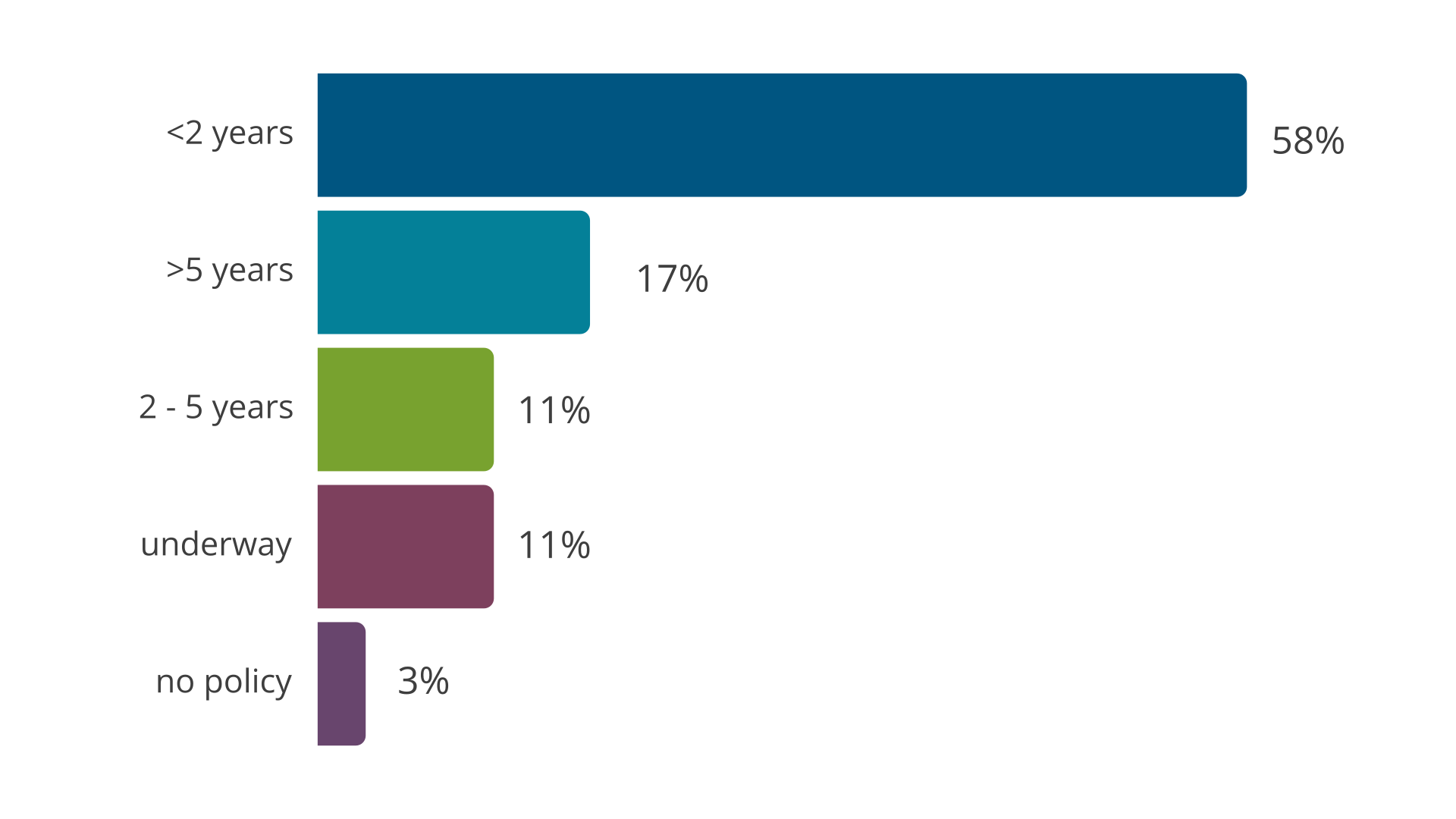
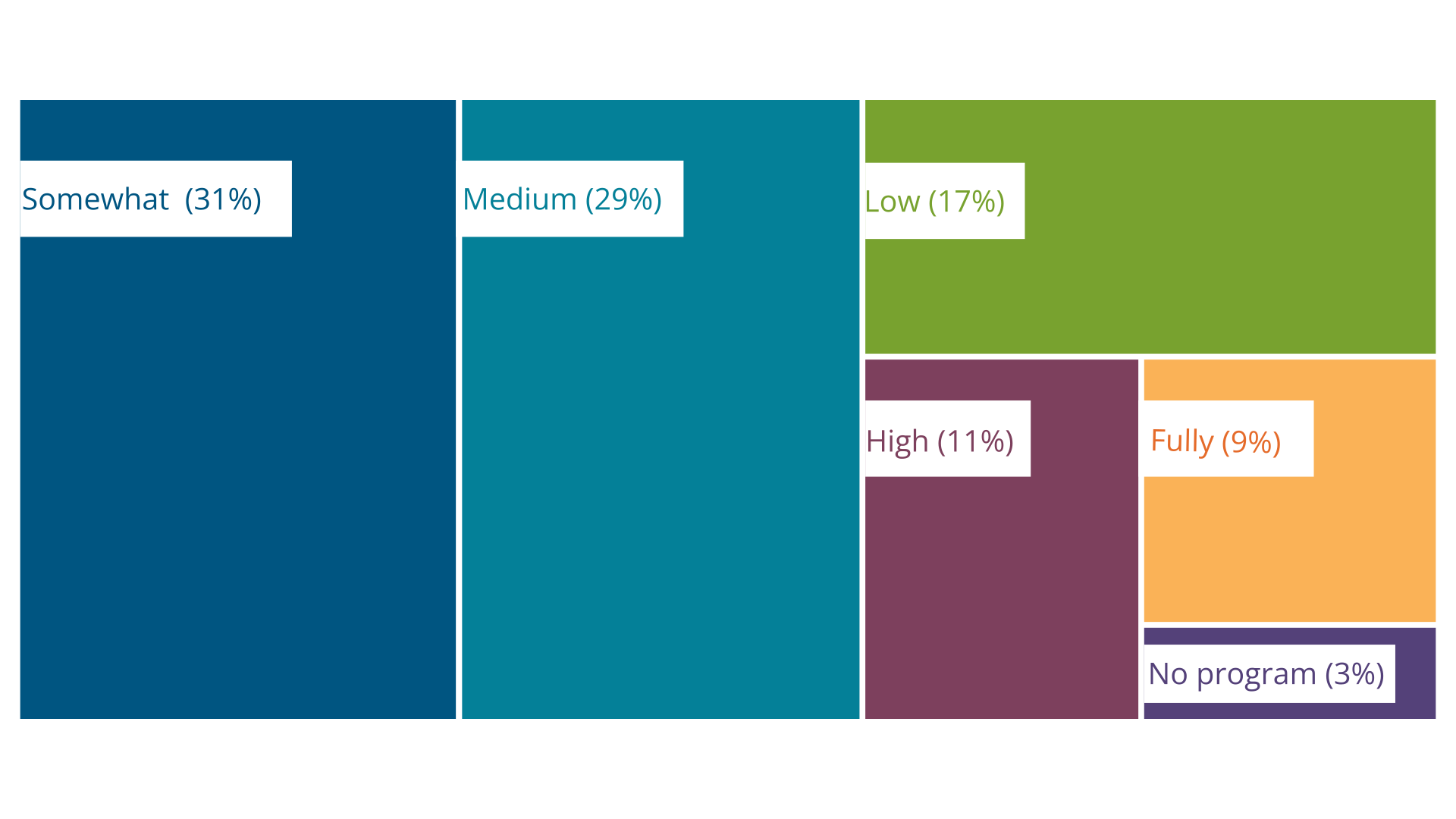
Fifty-eight percent of officers reported an update to their statewide digital accessibility policy within the last two years, indicating accessibility modernization is ongoing. Digital accessibility program maturity clusters around medium and somewhat mature with only seven states reporting high or full maturity, also reinforcing the continued scaling of enterprise-wide accessibility.
State AO Governance Models
State AO Policy Last Updated
Forty-three percent of responding state accessibility officers oversee teams with 80 percent of those teams having fewer than 10 people, underscoring later survey findings that staffing shortages are a major barrier to scaling accessibility. Fifty-seven percent of officers do not have a team reporting to them, further emphasizing later findings.
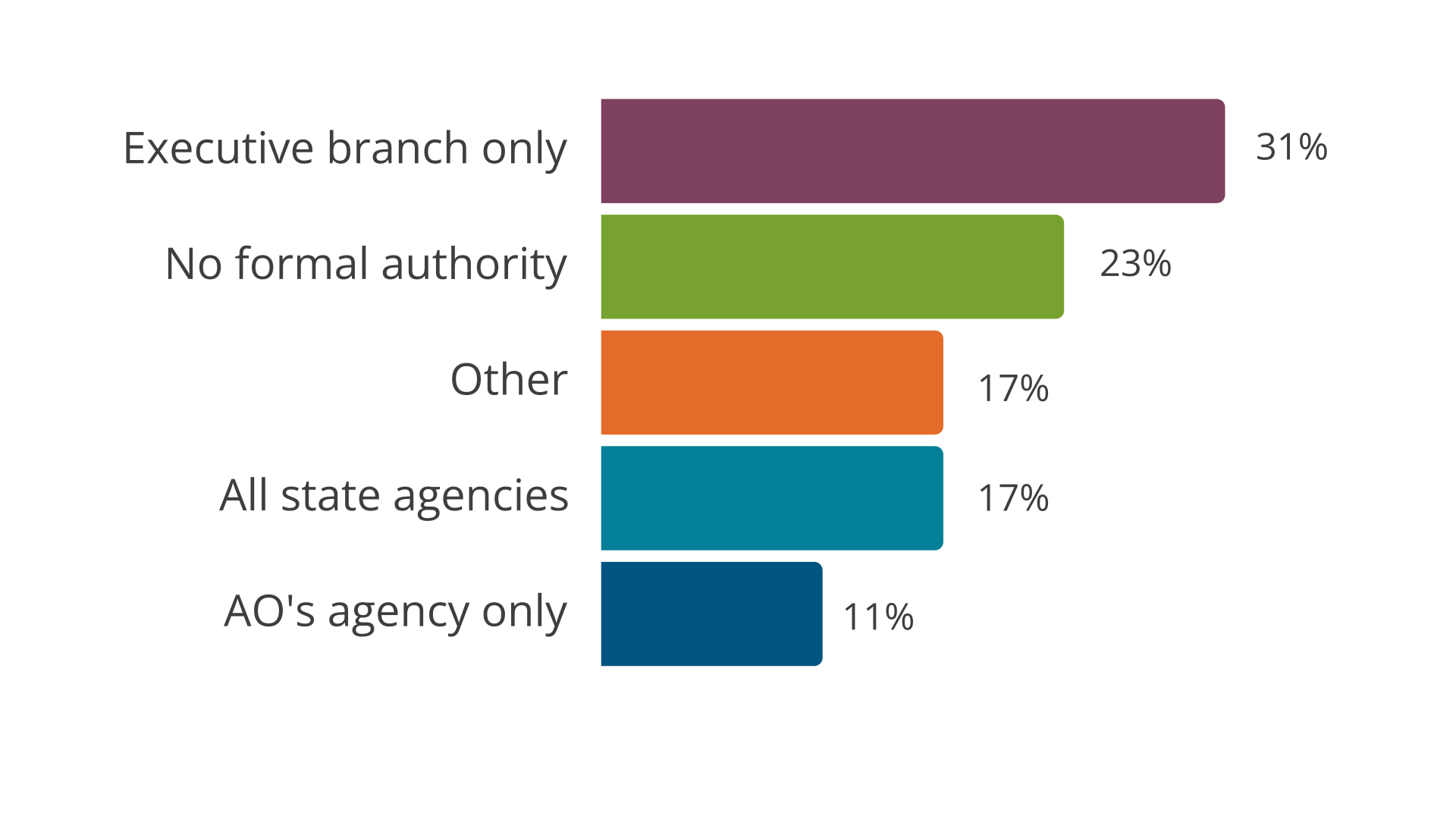
Accessibility officer authority is limited; only 17 percent have oversight over all state government agencies with 31 percent executive branch only. Notably, 23 percent have no formal authority, and others only have domain-specific authority (e.g., only over public-facing websites), suggesting that accessibility officers are still moving into full directorship of statewide compliance but are slowed down by governance-based barriers.
With more granular authority models, accessibility officers often explore the best ways to operationalize digital accessibility within them. Most AOs can conduct training (80 percent), while some can dictate where funding goes (31 percent) or make hiring decisions to address workforce needs (31 percent). This reveals how pragmatic accessibility officers are in their approaches to delivering the most accessible services where full enterprise authority is not possible.
State Digital Accessibility
Program Maturity
Accessibility Officer Authority
How State AOs Exercise Limited Authority
respondents allowed to make multiple selections
80%
Conduct training
69%
Direct procurement involvement / influence
54%
Set/enforce policy
31%
Make hiring decisions
31%
Direct how accessibility funding is spent
Funding, Staffing and Training
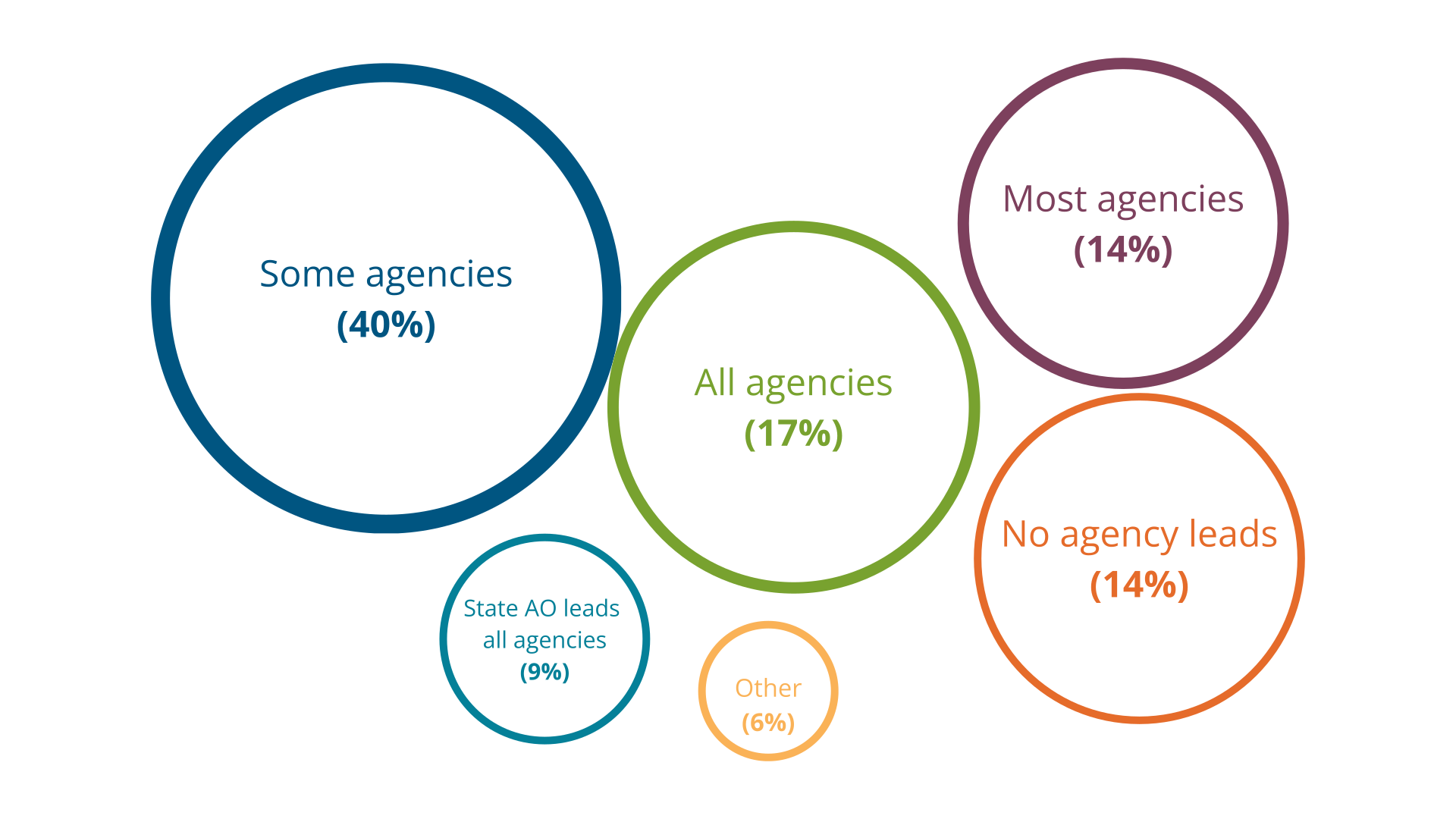
Seventy-one percent of states have digital accessibility leads in at least some agencies, showing that responsibility for digital accessibility is largely decentralized. Three state accessibility officers lead under a fully unified model.
State accessibility officers with authority over agency leads use similar collaboration methods but differ in formality, suggesting that states are still determining the best enterprise governance methods. Most officers leverage recurring meetings, office hours, state Communities of Practice (COPs), and shared resources, but less mature programs do so through advising willing participants. Programs with more structured, mature governance benefit from using methods like direct agency reporting, centralized steering committees and streamlined remediation processes.
States with Agency-Level Digital Accessibility Leads
Generally, the need for stronger formalization is apparent, indicating a transition from project-based to enterprise-wide governance. Officers shared plans to build and expand their programs to prioritize more holistic enterprise governance, reflecting a national transition towards policy-driven digital government models.
Although 49 percent of state executive leadership makes digital accessibility training available, only two states mandate it for all agencies and employees. Optional training could lead to uneven skill development and inconsistent compliance, especially in decentralized structures where methods vary by agency.
State Digital Accessibility Training Mandates
49%
Optional, provided by executive leadership for all agencies
26%
Other
11%
Optional, provided by agency leads for all employees
6%
Mandated by leadership for all agencies
6%
No training mandate
3%
Mandated by agency leads for all employees
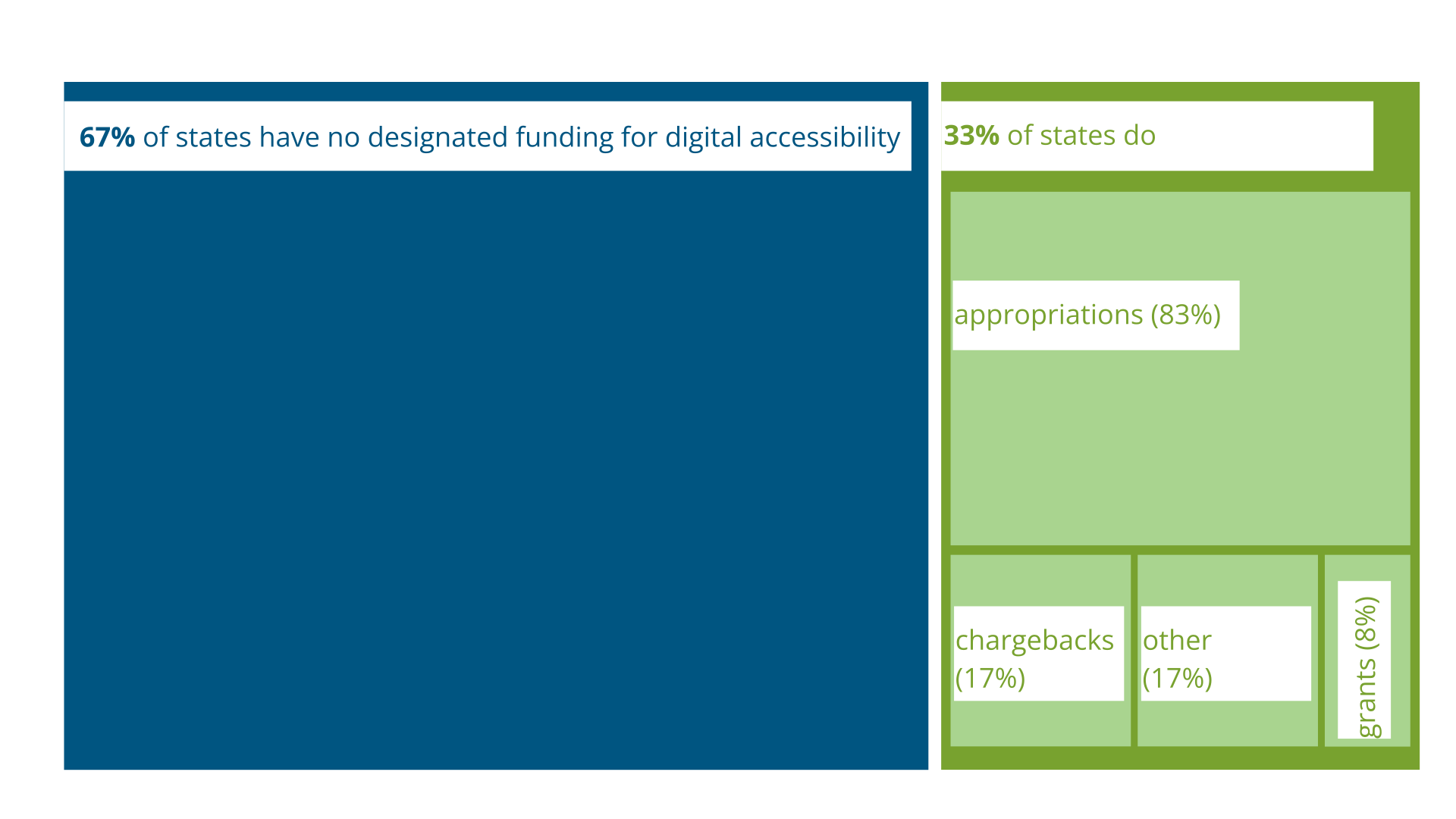
Funding remains the most significant barrier to developing more mature digital accessibility programs. Sixty-seven percent of states do not have a designated accessibility budget while the 33 percent that do mostly rely on appropriations and chargebacks instead of consistent, predictable funding streams. Despite over half of states with digital accessibility budgets seeing an increase since 2024, more funding is needed to address workforce, training, remediation and governance expansion needs.
Dedicated Funding for
Digital Accessibility
Audits, Tool Testing and Monitoring
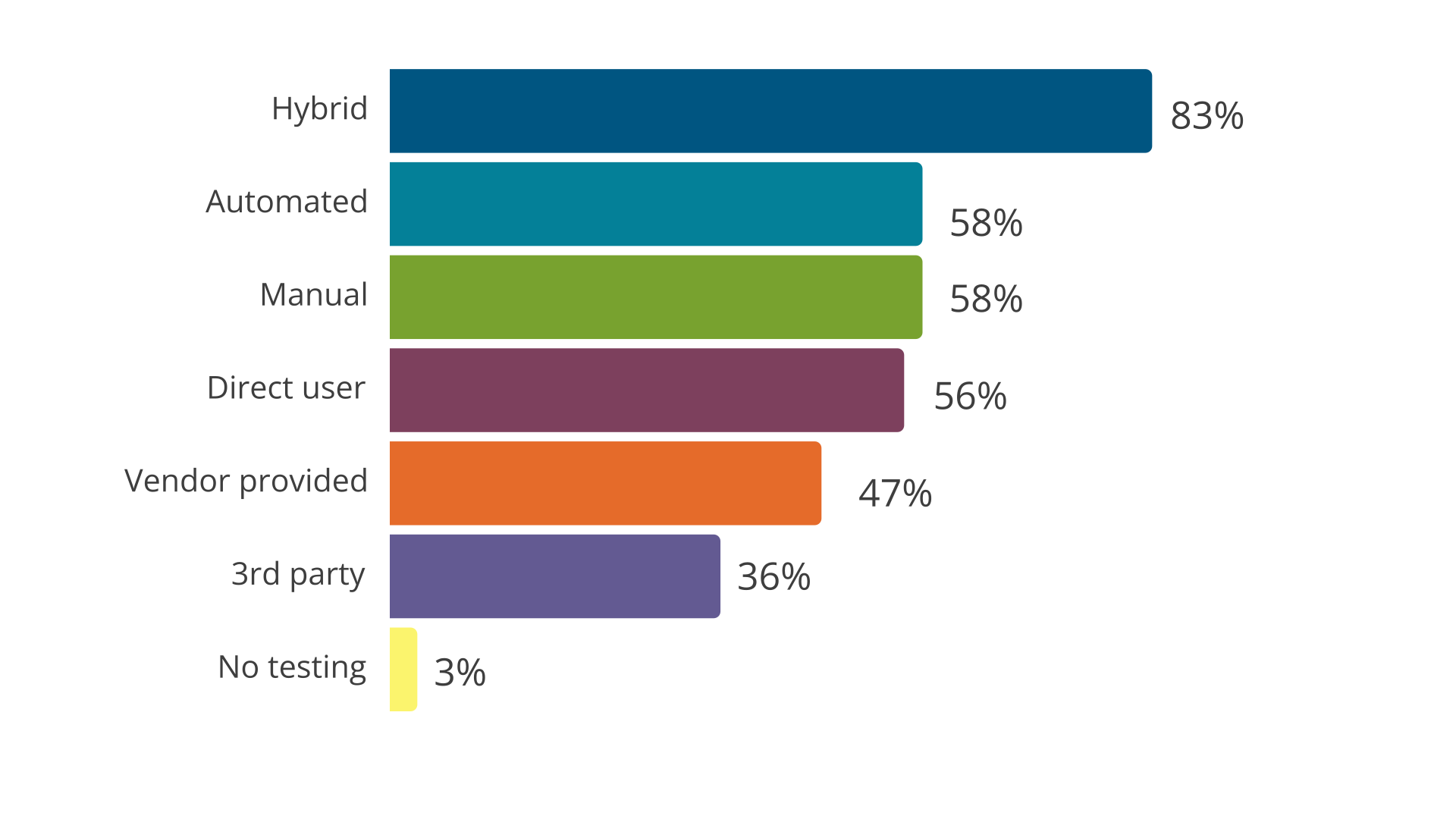
Eighty-three percent use hybrid testing approaches that blend automated and manual methods, with roughly half also employing direct user testing, third-party testing and/or vendor demonstrations. State accessibility officers recognize the benefits of testing for accessibility using multiple methods, but some continued reliance on solely automated or manual testing reinforces the importance of program maturity in dictating testing types.
Statewide audit frequency is generally low: only 31 percent perform regular audits/assessments at the statewide level, followed by 26 percent at the agency level. Twenty percent of states do conduct regular audits while over a quarter do so inconsistently. States seem to be auditing individual systems over the entire enterprise, which could limit strategic planning and long-term risk mitigation.
Digital Accessibility Testing Methods
Testing responsibility is fractured with a lack of dedicated testing staff, revealing another area that could increase enterprise reliability if prioritized. Almost equal amounts of states rely on either a mix of state and agency-level testers or have no dedicated testing staff at all (37 percent, 34 percent, respectively). Only five states rely solely on third-party testing, implying that testing efficiency is determined by capacity, not statewide standards or workforce readiness.
State Digital Accessibility Testing Staff
respondents allowed to make multiple selections
37%
Statewide / agency combo
34%
No dedicated staff
20%
Distributed agency testers
14%
Third-party
11%
Central statewide team
Almost half of states track key performance indicators (KPIs) at the state or agency level, showing that more states are viewing digital accessibility as a measurable performance domain. With 71 percent of KPI-tracking states using dashboards, there is also overlap among accessibility officers in what the critical metrics are: digital accessibility issue counts, scan volumes, remediation progress, PDF accessibility and training accessibility. Few states rely on third-party analyses to assess these metrics, indicating that states are strengthening their programs using complex data-driven evidence when capacity allows.
Top Accessibility KPI Tracking Methods
respondents allowed to make multiple selections
49% of States Track KPIs
71%
State-maintained dashboards
24%
User/focus group feedback
18%
Third-party analysis
12%
Agency reporting
Some programs use broader KPIs like maturity-model adoption, governance readiness, staffing levels and progress on final rule-related remediation goals. Currently, most metrics focus on websites and applications; however, some AOs are beginning to embed enterprise-wide operational KPIs into normal tracking, reflecting a shift from more isolated compliance checks to cohesive, holistic accessibility program management.
Procurement and Vendor Relationship Management
One area that supports digital accessibility becoming a core IT governance principle is the number of states that include explicit accessibility language when seeking new technologies. Sixty-three percent of states mandate that digital accessibility components are included in all request for proposal (RFP) language and/or contract terms, with all states but one reporting they require this for at least some, if not most, procurements.
Sixty-one percent of state AOs operate within hybrid IT procurement models, while 29 percent use centralized models. Most state accessibility officers work in a procurement environment where purchasing processes are decentralized, increasing the need for standardized verification tools. Among the 77 percent of states that independently validate vendor claims, the most common are accessibility conformance reports (ACRs), in-house testing and vendor demonstrations.
Respondents also using the Policy-Driven Adoption for Accessibility (PDAA), developed by a national AO community of practice, suggests that Voluntary Product Accessibility Templates (VPATs) accompanied by narrative evidence strengthens the vendor-state relationship, mitigate risk and allow for more informed award granting. The PDAA provides an overview of an entire organization’s accessibility posture instead of focusing on one product or service.
One key enterprise digital accessibility tool that is underutilized but could improve procurement is a vetted vendor database. Only four states maintain a list or database of vendors that have already been vetted and/or contracted that meet or exceed Web Content and Accessibility Guidelines 2.1 Level AA standards. Among states that do this, AOs spoke to the following benefits:
“It significantly streamlines the procurement process for accessibility needs and ensures agencies aren’t starting from scratch when looking for qualified partners. It also gives us a baseline to discuss accessibility with vendors who don’t fully meet the standards but were the best option to meet our business/community needs.”
“Other states should have this tool because it promotes better accessibility compliance across the board, saves time and resources by pre-qualifying reliable vendors and helps with continuous improvement of our vendor products.”
Top 3 Vendor Accessibility Verification Methods
Accessibility Conformance Reports (ACRs)
In-house Testing
Vendor Demonstrations
If more states adopted this practice, there could also be benefits in reducing the workload required to vet vendors manually and/or repeatedly, mitigating risks of being impacted by inaccessible third-party tools and services and streamlining the entire procurement lifecycle.
Holding vendors accountable for inaccessible solutions is practiced by most states, but more assertive accountability mechanisms are not as widespread. Contract accessibility clauses are used by nearly every state (89 percent) with less priority on consequence-based mechanisms like breach of contract penalties (37 percent) or post-award testing (20 percent), indicating that stronger accountability practices should be considered to improve accessible procurement procedures.
most Common Vendor Accountability Mechanisms
respondents allowed to make multiple selections
89%
Contract accessibility clauses
43%
Required remediation plans
37%
Breach of contract penalties, chargebacks or withholdings
20%
Post award testing
The 2024 DOJ Final Rule on Web and Mobile App Accessibility
Most states describe their DOJ Final Rule compliance journey as either partially or mostly compliant, with only two states reporting minimal or non-compliance. The highest non-compliance areas are either labor-intensive or technically complex:
DOJ Final Rule: Non-Compliant Areas
respondents allowed to make multiple selections
| Document remediation | 75% |
| Remediating high-traffic systems and digital services | 70% |
| Expanded testing process | 60% |
| Identifying, managing and/or archiving materials that fit rule exceptions | 55% |
| Established remediation workflows | 50% |
| Staff training | 45% |
| Procurement requirements | 35% |
| Implemented monitoring/reporting | 30% |
| Statewide accessibility policy | 20% |
Meanwhile, states have achieved full or almost full compliance in the following areas:
DOJ Rules: Full and Mostly Compliant Areas
respondents allowed to make multiple selections
| Statewide accessibility policy | 71% |
| Procurement requirements | 66% |
| Implemented monitoring/reporting | 54% |
| Staff training | 49% |
| Expanded testing process | 43% |
| Identifying, managing and/or archiving materials that fit rule exceptions | 43% |
| Document remediation | 31% |
| Remediating high-traffic systems and digital services | 29% |
States’ strongest compliance areas are policy-related while their weakest are labor-intensive and operational, highlighting that state digital accessibility programs are more foundationally strong than in the past but are still developing the tools and resources needed to meet the technical demands of the mandate.
Complaint investigation and remediation are critical components of any enterprise digital accessibility program, but only 50 percent of states have a formal complaint investigation process at either the state or agency level, with 17 percent reporting reliance on informal or ad hoc processes, making it difficult for states to proactively address digital accessibility as a civil right and service obligation. Twenty-three percent have no formal process for complaint investigation.
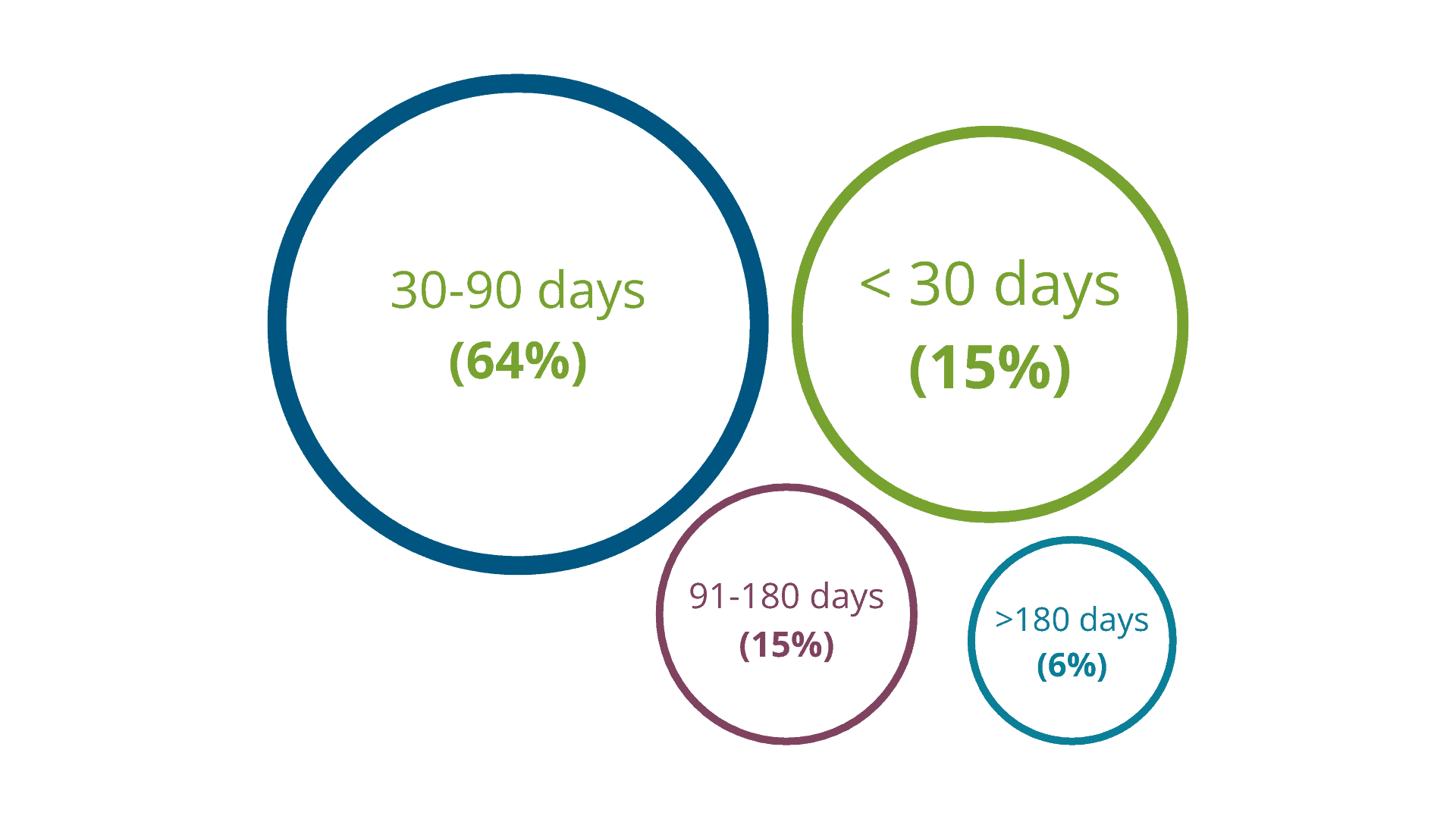
Fifty-one percent of states report having a limited remediation capacity, with 69 percent citing they do not have the resources, staff included, to remediate all websites and applications statewide. State accessibility officers know what is needed to remediate but cannot scale it at the required speed. The majority of states (64%) report that remediation time once an issue is discovered is 30-90 days.
Remediation Time Once an Accessibility Issue is Identified
Generally, states view the DOJ Final Rule extension announced earlier this year positively, noting that it will allow states to continue executing and refining current plans while reinforcing expectations that priorities and urgency remain unchanged. The consensus is that the extra year provides more time to continue momentum, develop program maturity, formalize structures and operationalize accessibility at scale. Respondents largely indicated using the time to strengthen governance by “shifting left” towards proactive fixes like embedding accessibility into software development life cycle (SDLC) processes, modernizations, procurement and staff onboarding.
Plans to improve workflows, further develop accessibility training programs for both higher leadership roles and general training and increase vendor accountability through clearer contract terms were also noted. Other states intend to use the extension to continue remediating high-risk, complex systems like applications, forms and large PDF inventories while others will focus on capacity-building strategies like hiring and procuring support monitoring tools. Using the extension to build accessibility-focused strategic plans, tiered remediation approaches and enterprise reporting frameworks may provide a solid foundation for long-term implementation based on some responses.
The DOJ Final Rule also applies to local government entities, which are historically underserved and under-resourced, resulting in falling behind or being unable to start major mandate initiatives like the Final Rule. Forty-seven percent of states work with local entities to support their Final Rule compliance efforts, most commonly offering information, shared resources, outreach and more. Based on this, state governments are willing partners with local entities, but only when their digital accessibility program is mature enough to expand.
Generally, state AOs that have capacity to support local entities use informational, educational and tool-based support with more assistance provided when locals reach out or use enterprise-hosted tools. Even the most mature states have limited capacity to help absorb more operational tasks from local entities like hands-on remediation and testing. States offer access to enterprise scanning platforms, statewide communities of practice, monthly meetings, office hours and on-request consultations to help clarify requirements and identify issues. Several states give presentations at conferences, webinars or policy and best-practice guidance while some maintain databases of knowledge and self-paced learning resources.
However, most states (53 percent) cannot provide support to local entities, again citing operational capacity and resources as the main barriers to supporting local governments in implementing the DOJ Final Rule. The separation between state and local entities, described as “non-collaborative and without formal communication channels,” and the lack of all resources held by mature programs make organization difficult.
The extension may have provided more time for everyone to achieve compliance; however, it is not exactly clear if this will allow more time to find better ways to help local entities. Fifty-one percent of respondents are unsure if the extension will create leeway for more local collaboration, while 26 percent indicated they have no intention of doing so. The extension provides time, but it does not create any new conditions to expand collaboration.
Another challenge in state and local collaboration stems from differing expectations. Respondents mentioned that local governments tend to expect hands-on remediation; however, when these localities rely on outdated systems, the amount of hands-on support needed to remediate increases due to the system’s age. Even the most operational and resourceful digital accessibility programs may struggle to provide that type of support on a consistent basis.
Digital Accessibility and Artificial Intelligence
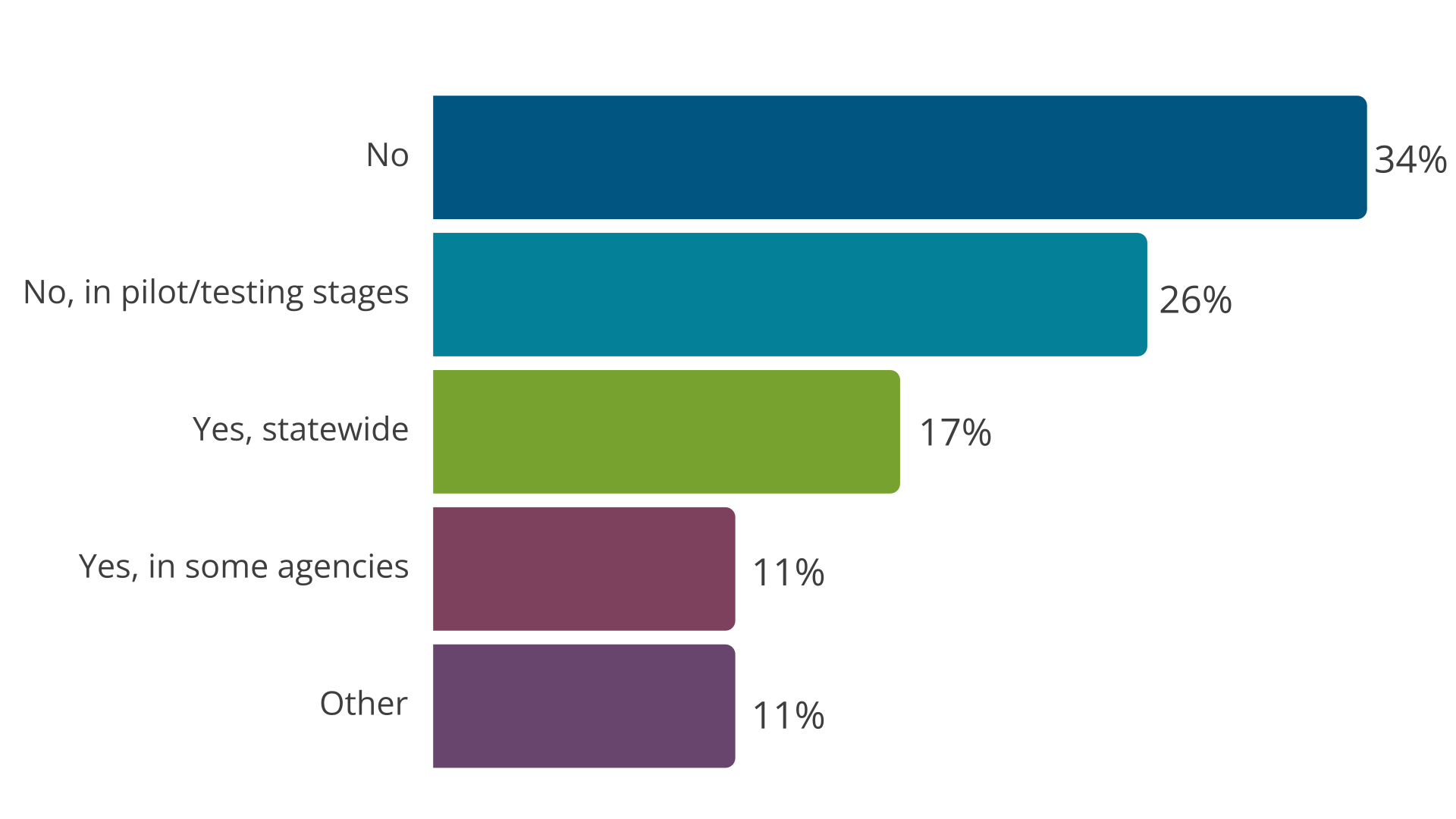
Artificial intelligence (AI) is being integrated across government technology with digital accessibility integration in a largely experimental phase. While 34 percent do not use AI to support accessibility generally across the enterprise, 26 percent are exploring its possibilities, mirroring the standard “pilot before integration” process governments use to explore emerging technologies. AI guidance is also uneven, with 37 percent of states having statewide AI guidance and an equal share without, reflecting national trends of AI governance development.
Of the 20 percent of states using AI to help achieve DOJ Final Rule compliance, a majority say that it has been only moderately effective, implying that integrating AI as an assistive tool, not an automatic compliance tool, still requires a human in the loop.
We also asked about enterprise accessibility tasks being assisted by AI and automated testing was at the top of the list. Automated testing was also at the top for specific compliance with the DOJ Final Rule.
AI Use to Support Digital Accessibility Across the Enterprise
Enterprise Accessibility Tasks Being Assisted by AI
respondents allowed to make multiple selections
| Automated testing | 60% |
| Code remediation suggestions | 50% |
| Captioning and transcription | 50% |
| Content quality checks | 50% |
| Monitoring and reporting | 40% |
| Document remediation | 40% |
DOJ Final Rule: AI-Assisted Compliance Areas
respondents allowed to make multiple selections
| Automated testing | 71% |
| Document remediation | 71% |
| Captioning and transcription | 43% |
| Monitoring and reporting | 43% |
| Content quality checks | 29% |
| Identifying content that qualifies under Final Rule expectations | 29% |
| Identifying remediation needs in high-traffic systems | 29% |
| Accessible content creation/generation | 14% |
The strongest general enterprise use cases for accessibility and AI fall where work can be accelerated without making authoritative, judgement-based decisions. This is in line with earlier findings highlighting staffing and resource constraints; AI may be a viable solution to reducing workforce burden from repetitive, high-volume tasks. AI use for DOJ Final Rule compliance parallels the enterprise, also prioritizing the most intense and labor-heavy areas. Across general enterprise and DOJ compliance use, states are using AI to improve efficiency on more technical, repetitive tasks while keeping humans at the center of areas that impact compliance and risk mitigation.
Concerns about AI use are widespread, with 53 percent of states reporting worries. State accessibility officers largely understand that AI can support accessibility but only with strong oversight, transparency, manual verification and to prevent inadvertently reinforcing inequity or creating new civil rights vulnerabilities. Respondents specifically mentioned the potential for automated decision tools to harm or exclude protected groups, algorithm bias in large language models and using training data that is not representative of disabled users. These issues can increase digital inequity if not intentionally addressed, as described in the NIST AI Risk Management Framework.
AI-generated accessibility issues stemming from AI-generated content emerged as a new risk area in integrating the fields, underscoring why only 14 percent of states use this AI practice. Some worry that increased use of AI-generated alternative text, transcripts, images, videos and remediation outputs could introduce new accessibility barriers or fail to meet compliance standards. Security concerns, privacy concerns and data protection for marginalized communities also contextualize some respondents’ fear of states becoming over-reliant on AI tools, especially those that may come with unsubstantiated vendor claims about third-party systems.
A Canopy of Perspectives on Culture, Leadership and Change Management
Eighty-six percent of states describe executive leadership as either very supportive or supportive of digital accessibility efforts, echoing the importance of digital accessibility as a concept and civil right, further supported by its five-spot jump on the NASCIO CIO Top 10 Priorities list. Generally, most respondents are satisfied with the critical role executive leadership support plays in digital accessibility programs, although it is not uniform across agencies.
Executive leadership is cited as being a key player in prioritizing accessibility across the enterprise, dispersing resources and legitimizing the work of employees. Reinforcing expectations through shared standards, executive orders, bridging communication between agencies and ensuring accessibility is a core component of digital service delivery all support the accessibility officer well. Others mention that securing tools, increasing and reallocating staff and sponsoring enterprise remediation projects or training initiatives allow accessibility officers to work with resources provided at the beginning instead of trying to gain them along the way.
More mature programs offer integration of accessibility into high-level agendas and provide escalation pathways to directly contact the CIO. Other support methods, including more human-centered strategies, such as being willing to listen and granting operational authority where possible, are reportedly influential in decentralized states.
State accessibility officers largely agree that stronger support, such as more resources, stronger mandates and sustained cultural reinforcement, is needed to fully operationalize digital accessibility. They indicate the need for dedicated funding, staffing and formal program structures to decrease the reliance on ad hoc assignments and temporary allocations.
Stronger messaging, expectation-setting, accountability mechanisms and enforcement from the top down could increase policies being followed instead of treated as optional.
Most respondents also need support in closing cross-agency gaps by strengthening enterprise-wide governance. Culturally, executive leadership should champion accessibility uniformly through direct leadership-to-agency-head engagement to maintain visibility while priorities shift. Technically, there is strong desire for standardized processes, procurement requirements and mandatory training comparable to cybersecurity. States with no statewide policy or legislative authority mention still needing higher-level backing beyond even executive leadership.
Generally, AOs report the digital accessibility knowledge of their CIO organization as high or very high (66 percent) and moderate (57 percent) for the enterprise workforce. State accessibility officers are working to determine the best ways to close the identified gap between the digital accessibility knowledge levels of the CIO organization and the state IT workforce. While the CIO organization is naturally inclined to know more about digital accessibility, state IT employees are also responsible for being familiar with digital accessibility principles as it relates to their individual position and their agency’s overall goals.
Ranking the Roots that Anchor Progress
After reflecting on all aspects of their state’s digital accessibility program, we asked the officers to choose which they felt were most important in major accessibility areas. Respondents indicated their top three biggest challenges to compliance and further maturing digital accessibility programs, their top priorities for the next year, the top resources needed for their programs and the single most needed thing to do their jobs effectively.
The top three drivers of digital accessibility compliance are focused on avoiding legal and risk-related consequences, suggesting digital accessibility as a public service mission/goal has not been fully embedded into states’ digital service delivery plan. Digital accessibility should be emphasized as both a mandate and a fundamental responsibility of digital government services. Leadership expectations, ranking third, shows that there may be a unique opportunity to anchor the public service mission goal into the cultural foundation. Since expectations have been made clear, leadership can work with the accessibility officer to shift the expectations from “avoiding risk and meeting mandates” to “serving all residents effectively.” This supports the notion that programs mature more efficiently when a balanced model – equal parts compliance and mission – is pursued.
Lack of funding, lack of authority given to the accessibility officer and lack of understanding among employees underscore that state accessibility officers are working through structural barriers and limitations at the enterprise level.
State accessibility officers are more than compliance coordinators; they are influential contributors to state governance, policy and culture.
However, for this influence to become more widespread and consistent, structural barriers must be worked through collaboratively at the state level.
Top 3 AO Challenges
Lack of funding
Lack of authority
Lack of understanding among state personnel
Echoing the need for more structural change, the top three state accessibility officer priorities indicate that despite enterprise-level barriers, officers are not just working through them but prioritizing them as critical to enterprise expansion. Focusing on specific enterprise areas to phase in accessibility is common practice; however, the fact that the majority of officers selected these three areas particularly indicates a shared sense of strategic planning and modernization efforts nationwide.
Accessibility officers have been heavily involved in procurement for much of the role’s existence. Vendor accountability and testing improvements/process standardization ranking first and second simultaneously support previous work and show an intersection between digital accessibility and enterprise architecture. Accessibility officers may become pivotal in developing a national vendor risk management framework, similar to cybersecurity leaders developing NIST frameworks as their domain expanded.
A tie between adequate staffing/personnel and digital accessibility in state enterprise architecture largely echoes sentiments from previous rankings. Digital accessibility is foundational to state government and must be given the resources to support it robustly. As with any core principle in state government, digital accessibility can only grow as much as resources allow it. State accessibility officers should be given more authority to hire, train, delegate and lead with this authority not only supported by leadership but enshrined into the state’s IT enterprise architecture and governance mechanisms.
Single Most Needed Thing AOs Need to Do Job Effectively
It’s a tie!
Adequate staffing and personnel
Incorporation of digital accessibility in state enterprise architecture
New Rings Forming through Collective Vision
Without a statewide accessibility officer, a state cannot realistically build a cohesive, sustainable and compliant accessibility program because the AO provides the centralized leadership, accountability and enterprise management skills to meet modern digital accessibility obligations beyond the DOJ Final Rule. Officers note that having an AO can prevent accessibility work from becoming fragmented, inconsistent and deprioritized by relying on a dedicated role to drive strategy, not partial responsibility spread across staff. This single point of contact ensures the enterprise has uniform policy and standards, embeds accessibility into procurement, governance, development, design and daily operations.
Accessibility officers note that having this enterprise position not only shows organizational commitment and is critical to any enterprise’s strategic vision but adds a layer to enterprise risk management in an accessibility policy landscape that carries pertinent legal exposure requiring legal oversight. Accessibility officers help align agencies, resulting in reduced duplication and optimized shared resource dispersion.
Accessibility officers see their role maturing into a pivotal, influential driver of digital equity, risk management and inclusive digital service delivery as they gain more authority and strategic influence. Many expect the position to become cemented into the enterprise similar to chief privacy officers or data officers as it continues to shift away from compliance and remediation focuses. With this growth AOs also expect more responsibility involving governance, policy development, maturity modeling, KPI-driven oversight, building formal teams, controlling budgets and creating centers of excellence.
Respondents also predicted increased cross-domain integration as accessibility intersects with cybersecurity, privacy, broadband, digital equity and AI. As emerging technologies become more accessible to all citizens, the accessibility officer will be pivotal in guiding responsible innovation, ensuring human-centered standards and evaluating new tools before deployment.
The Accessibility Oak: Here to Stay, Here to Grow
State accessibility officers are growing through a new phase of digital accessibility shaped by new federal mandates, evolving governance structures and a widening national spotlight on accessibility as an enterprise-wide pillar. NASCIO’s Inaugural State Accessibility Officer survey shows a field that is maturing quickly – in some areas, too quickly to maintain an even pace. Strong policy foundations and increasing leadership visibility are creating friction with staffing shortages, gaps in authority and limited operational capacity. Nationally, accessibility’s transition from compliance obligation to core digital service component requires more sustained investments, even stronger governance and better integration into statewide IT strategy.
Some themes transcend program maturity, procurement, testing and remediation. Across the nation, states are prioritizing building more formal structures, expanding training, strengthening procurement and exploring hybrid testing approaches. Structural barriers like limited funding, optional accessibility training, informal audit processes and limited local government support remain. Accessibility officers play the most critical role in interpreting the DOJ Final Rule, guiding agencies through the rule’s life cycle and shaping statewide policy, but many still operate under limited authority. The tension between growing expectations and limited capacity defines much of the national landscape.
Despite challenges, states have momentum and are moving forward in a clear direction. Officers are using the DOJ Final Rule extension to improve governance, embed accessibility early into development cycles and build more sustainable, proactive remediation and reporting processes. They are also developing ways to improve vendor accountability and reduce fragmentation within their state under the constraints of decentralized responsibility and limited direct influence. State accessibility officers are pushing digital accessibility forward in structure, visibility and strategic importance. As states continue refining their programs, accessibility officers will remain critical in shaping digital equity, guiding the long-term evolution of accessible governments and societies.